Back to School SALE Prices - Last Few Days!
Skip to content

Filters

Dual Source Laser Engravers

Why buy two machines when a dual source laser engraver marks metal and cuts wood alike? These machines pair a 1064nm fiber laser — built for stainless steel, aluminum, brass, and other metals — with a 450nm diode laser suited to wood, leather, and acrylic, switching between the two at the click of a button instead of swapping equipment. That means fewer machines on the bench and no more turning away metal work because your laser can't touch it.

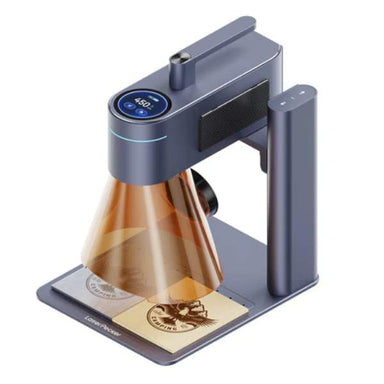
At The Maker's Chest, we carry dual source laser engravers for sale from OMTech, LaserPecker, and Gweike, with fiber power from 20W up to 60W MOPA paired with 20W–40W diode lasers, so you can match the machine to your workload, not just your material list. Whether you're cutting acrylic one hour and marking stainless steel the next, this fiber diode combo laser lets you take on mixed-material orders other engravers have to turn away, backed by our setup support and warranty coverage.

Ready for a Dual Source Laser Engraver That Handles Metal and Wood in One Machine?

Frequently Asked Questions

What is a dual source laser engraver?

A dual source laser engraver is a single machine that houses two laser types — typically a fiber laser and a diode laser — so it can process both metal and non-metal materials without a machine swap. You switch between the two beams from the software or touchscreen, not by opening the case, so a project that moves from a stainless steel tag to a wood keychain stays on one machine. This is different from single-source engravers, which are built around one wavelength and one material category.

What's the difference between the fiber and diode lasers on these machines?

The fiber laser (usually 1064nm) is built for metal — stainless steel, aluminum, brass, silver, and titanium — producing high-contrast marks and, on higher-wattage models, clean metal cutting up to about 2mm. The diode laser (usually 450nm blue) handles wood, leather, acrylic, glass, and rubber, and can cut basswood up to roughly 20mm on the stronger configurations. Each laser is matched to a different material category, not a different power level, so picking wattage and picking a laser type are two separate decisions.

Do I actually need both a fiber laser and a diode laser?

If your work only ever touches one material family — only metal, or only wood and acrylic — a single-source machine will usually cost less for the same wattage. A dual source laser engraver earns its price when your orders mix categories: jewelry engraving alongside leather packaging, or metal name tags next to acrylic awards. The real savings is shop space and setup time, not per-project cost, since you run one machine instead of maintaining two separate laser systems side by side.

How many watts do I need in a dual source laser engraver?

For light engraving and marking on both metal and non-metals, 20W fiber paired with 20W diode is enough for most hobbyist and small-business work. If you're cutting metal (not just marking it) or cutting thicker wood and acrylic regularly, step up to 30–60W fiber (including MOPA options for color marking) paired with 30–40W diode. Higher wattage buys you cutting depth and speed, not just darker marks, so match it to whether you plan to cut or only engrave.

Can a dual source laser engraver cut metal, or only mark it?

Most dual source machines can cut thin metal, but the depth depends on fiber wattage: 20W fiber lasers typically cut around 1mm of brass, stainless steel, or aluminum, while 50–60W MOPA fiber lasers on machines like the Gweike G3 push closer to 1.5–2mm. Metal cutting is limited to thin sheet, not structural stock, so for anything thicker, plan to mark or engrave with the fiber laser and cut the non-metal parts of the project with the diode side instead.

Skip the AI. Call an Expert. Skip the AI. Call an Expert.