Extended 75-Day Returns - Buy With Confidence
Skip to content

Filters

Laser Engravers Under $1,000

Are you looking to start a crafting business or make custom gifts without spending a fortune? A laser engraver under 1000 lets you bring your ideas to life—engraving wood, metal, or glass—all from home. These machines are easy to use and perfect for beginners or small business owners who want quality without the high price.

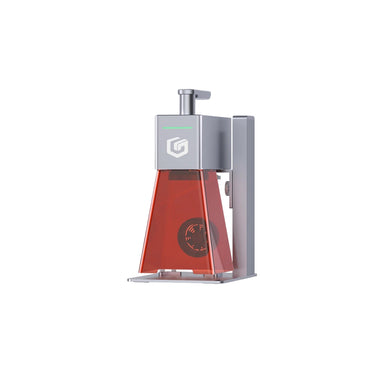
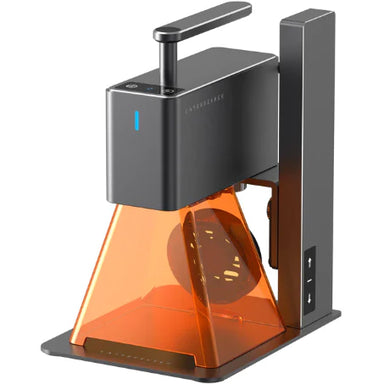
Getting a laser engraver under 1000 means you can create everything from custom jewelry to engraved signs without breaking the bank. Plus, these engravers are compact and safe, so you can work from your desk or garage while turning your hobby into profit.

Looking for a Laser Engraver Under 1000 That Works for You?

Frequently Asked Questions

Is a laser engraver under $1000 actually worth buying?

Yes, for the right projects — sub-$1000 diode engravers now deliver precision that wasn't available at this price point just a few years ago, backed by large online communities for troubleshooting and project help. Improvements in diode module power, linear rail motion systems, and open-source firmware like GRBL have pushed hobby-grade precision down to accuracy levels that used to require a $2,000+ machine. That online community support matters as much as the hardware itself, since new owners can find pre-tested settings for common materials instead of guessing through trial and error. The tradeoff is lower cutting power and no metal-cutting capability.

What can't a sub-$1000 laser engraver do?

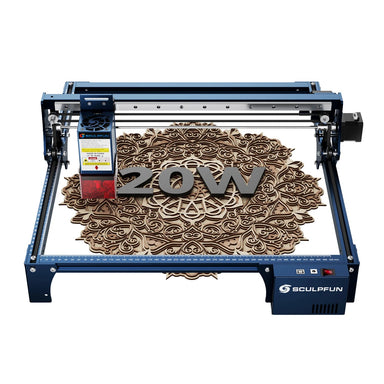
Most machines under $1000 are open-frame diode lasers in the 5-10W range, which means cutting bare metal or thick hardwood stays out of reach even though engraving on those materials is often possible. A 5-10W diode module can typically cut through 3-8mm of wood or acrylic in multiple passes, but it doesn't generate enough heat to cut or mark bare, uncoated metal at all — that requires either a coating-based CO2 workaround or a dedicated fiber laser. This power ceiling is the main tradeoff for the lower price, not build quality or precision, which have both improved significantly at this price tier. Anyone whose primary material is thick hardwood or metal should budget above $1000 from the start.

What extra costs come with a budget laser engraver?

The sticker price rarely covers everything a safe setup needs — air assist, an exhaust or filtration system, and an enclosure are often separate purchases, so total setup cost often runs well above the machine price alone. Air assist alone can add $50-150 and dramatically improves cut quality by clearing smoke and debris from the beam path, while a basic fume extraction setup typically runs another $150-400 depending on CFM rating. Budgeting for these add-ons upfront avoids an unpleasant surprise after the machine itself has already been purchased. Open-frame machines especially need the enclosure or dedicated ventilation, since without it fumes and stray light both become real household concerns.

What's the best laser engraver under $1000 for wood?

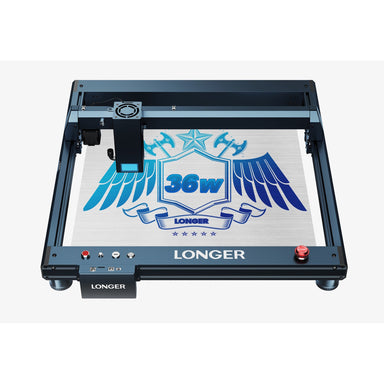
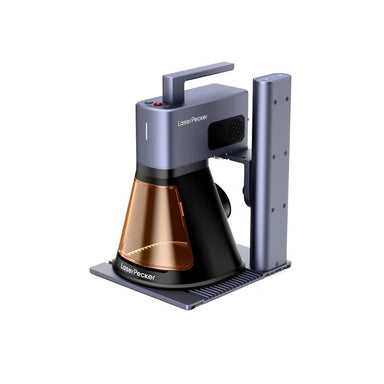
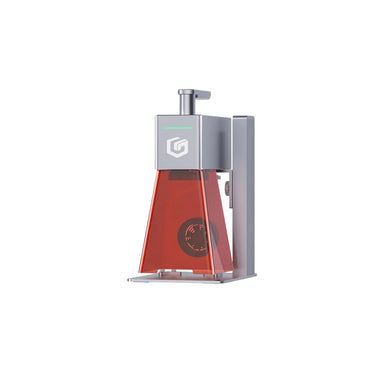
6-10W open-frame diode machines and enclosed options both handle wood engraving and light cutting well, with the enclosed models trading some cutting depth for better home safety. Open-frame units generally cut a bit deeper per pass and cost less, since they don't need to house cooling or containment hardware, while enclosed machines add a physical barrier around the beam that matters most in households with kids or pets nearby. That safety tradeoff is the main decision point, not engraving quality, since both formats produce comparably crisp results on wood at this power range. Multi-pass cutting on 1/4-inch plywood is achievable on either format with patience and the right feed rate.

Are budget laser engravers safe to use without an enclosure?

Open-frame budget lasers are Class 4 and require the included safety glasses, active ventilation, and constant supervision, since without an enclosure there's no physical barrier between the beam and the room. The laser itself, and its reflections off the work surface, can cause permanent eye damage in a fraction of a second, which is why OD-rated glasses matched to the machine's wavelength are non-negotiable rather than optional gear. Constant supervision is the safeguard that replaces the missing physical barrier, since an open-frame machine has no interlock to stop the beam if something goes wrong. Many owners eventually add an aftermarket enclosure once budget allows.