

Extended 75-Day Returns - Buy With Confidence
Skip to content

Filters

TOOCAA Laser Engravers

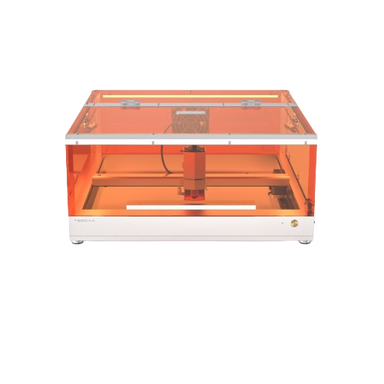
Want to create custom designs with speed and precision? Whether you're crafting personalized gifts or detailed artwork, TOOCAA laser engravers make it simple. With models like the Laser 1 and L2, you can cut and engrave wood, acrylic, leather, and more without swapping machines for different materials. What will you make first?

Designed for beginners and professionals alike, the L2 offers powerful performance controlled through an intuitive companion app. Whether you're starting a small business or working on DIY projects, a TOOCAA laser gives you room to grow from simple crafts to production runs. Start engraving today!

Which TOOCAA Laser Fits Your Needs?

Frequently Asked Questions

Can TOOCAA laser engravers mark metal?

TOOCAA's 20W diode models can mark soft metals like anodized aluminum and painted or coated metal surfaces, but bare, uncoated metal needs a dedicated infrared laser module rather than the standard diode. Coating the surface first, such as with a marking spray or Sharpie, is what makes diode metal marking work at all, since the diode wavelength isn't absorbed well by bare reflective metal. Skipping the coating step is the most common reason a first attempt at metal marking fails.

How loud and safe is a TOOCAA laser engraver to run indoors?

TOOCAA's enclosed models run quietly even at full speed with air assist on, and the laser module carries Class 1 safety certification, meaning no light escapes the enclosure during operation. The full enclosure is what allows Class 1 certification, unlike open-frame diode lasers that require separate eye protection and a dedicated ventilated workspace. Pairing the enclosure with an external fume extractor still helps keep smoke and odor from lingering in a shared indoor space.

What materials work best with a TOOCAA engraver?

TOOCAA engravers handle wood, leather, acrylic, and coated or anodized metal well, producing detailed results on materials like black aluminum business cards in testing. Bare, unfinished metal is the one category that still needs a coating or an infrared module to mark reliably, since a standard diode wavelength doesn't absorb into raw reflective metal the way it does into darker, coated surfaces. Testing settings on a scrap piece of the same material is still worth doing before running a full project.