Industry-Leading 75 Day Returns - Buy With Confidence!
Skip to content

Filters

Handheld Laser Welders

Handheld laser welders are quickly becoming the preferred alternative to traditional TIG and MIG welding for shops that want faster workflows, cleaner finishes, and less rework. Whether you're working with stainless steel, aluminum, or thin sheet metal, these systems deliver precision welds with minimal heat distortion and significantly reduced post-processing.

Unlike conventional welding, handheld laser welding systems are easier to learn, more consistent to operate, and dramatically more efficient in production environments. From automotive repair and fabrication shops to manufacturing and HVAC applications, more professionals are making the switch to increase throughput while reducing labor time and training complexity.

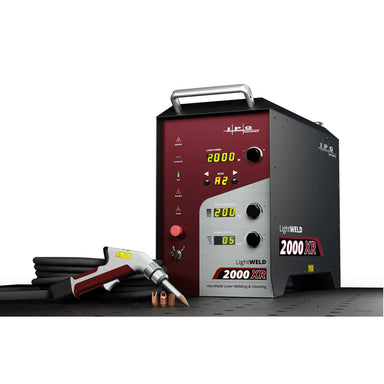
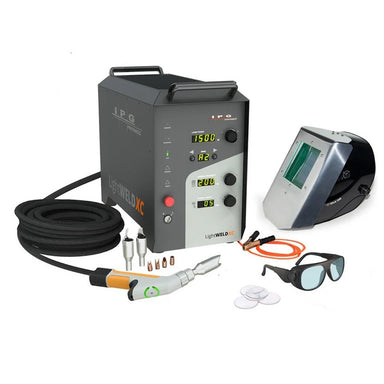
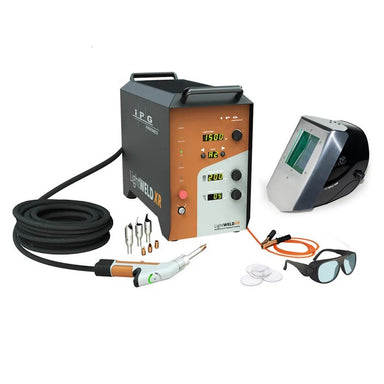
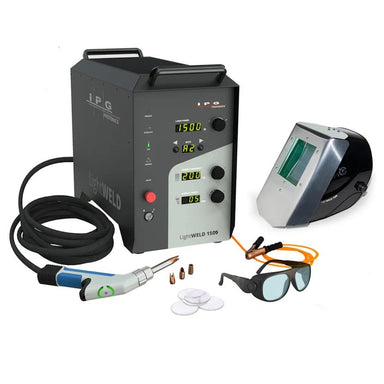
On this page, you can compare the best handheld laser welders by power level, use case, and budget — including 1500W, 2000W, and 3000W systems. If you're unsure where to start, most buyers find that a 2000W laser welder offers the best balance of power, speed, and versatility for everyday applications.

Shop Handheld Laser Welding Machines (1500W, 2000W & 3000W Systems)

Frequently Asked Questions

What is a handheld laser welder?

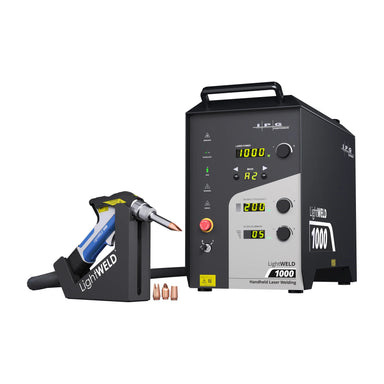
A handheld laser welder is a fiber laser-based system that uses a focused laser beam to join metals with high precision. Compared to traditional welding methods, it produces cleaner welds, less heat distortion, and requires significantly less finishing work.

Is laser welding better than TIG welding?

In many applications, yes. Handheld laser welding is typically faster, easier to learn, and produces more consistent results than TIG welding. It also generates less heat input, which reduces warping and discoloration — especially on thin materials.

What power level laser welder do I need (1500W vs 2000W vs 3000W)?

  • 1500W: Best for thinner materials and lighter-duty work
  • 2000W: The most popular option — ideal balance of power, speed, and versatility
  • 3000W: Designed for thicker materials and higher production environments

If you're unsure, a 2000W handheld laser welder is the safest starting point for most users.

What materials can a handheld laser welder handle?

Most handheld laser welders can work with:

  • Stainless steel
  • Carbon steel
  • Aluminum
  • Galvanized materials

Performance will vary depending on power level and thickness, but these machines are designed to handle a wide range of common fabrication materials.

How much does a handheld laser welder cost?

Pricing typically ranges from $4,000 to $15,000+, depending on power level, brand, and included features. Entry-level systems are more affordable, while higher-powered machines offer greater speed, penetration, and long-term productivity gains.

Are handheld laser welders safe to use?

Yes, when used properly. Like any welding process, they require:

  • Appropriate eye protection
  • Proper ventilation or fume extraction
  • Safe operating procedures

Following manufacturer guidelines ensures a safe and controlled working environment.

Do I need shielding gas for laser welding?

Yes. Most handheld laser welders use argon or nitrogen shielding gas to protect the weld and improve finish quality. Proper gas setup is important for achieving clean, consistent welds.

How difficult is it to learn laser welding?

Compared to TIG welding, handheld laser welding is much easier to learn. Many users can become comfortable with the basics in a short period of time, making it a great option for shops looking to reduce training time and increase productivity quickly.

What else do I need besides the laser welder?

In addition to the machine, most setups require:

  • Shielding gas (argon or nitrogen)
  • Fume extraction system
  • Basic safety equipment

Many buyers choose to bundle these components for a complete, ready-to-use setup.

Is laser welding stronger than TIG welding?

Laser welding can be as strong as or stronger than TIG welding, depending on the application and material. Because laser welders produce a more concentrated heat source, they can create deep, narrow welds with excellent strength and minimal distortion. In many thin-to-medium thickness applications, laser welding delivers strong, consistent results with less heat-affected area compared to TIG.