

Entry-level diode lasers
Start here for lower-volume engraving on wood, leather, paper, and coated materials where speed is not the primary concern.
Browse budget laser engravers for learning, crafts, personalization, portable work, cutting, and entry-level metal marking. A lower machine price can still require an enclosure, exhaust, air assist, rotary, software, or safety equipment.
Compare complete setup cost, supported materials, working area, usable power, warranty, and upgrade path. Clear acrylic generally requires CO₂, while permanent bare-metal marking typically requires fiber or another suitable wavelength.
Compare the complete setup cost—not just advertised laser power or machine price.
Start here for lower-volume engraving on wood, leather, paper, and coated materials where speed is not the primary concern.
A higher-output diode can reduce passes and expand cutting capability, but clear acrylic still generally calls for a CO₂ laser.
Choose a compact platform when easy transport and minimal workspace matter more than a large processing area.
An entry fiber system is the relevant category for permanent direct metal marking; diode machines usually require coatings on bare metal.
An enclosed machine may cost more upfront but can reduce the number of separate enclosure and workflow components you need to assemble.
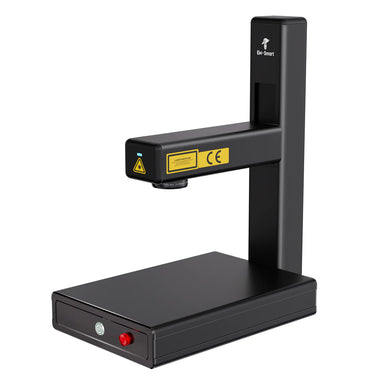
Sale
Portable Power, Precision, and Possibilities with the EM-Smart Nova 25W Fiber Laser Engraver. Elevate your engraving game with the EM-Smart Nova -...
View full details
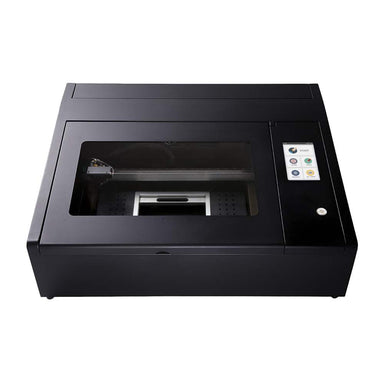
Sold out
Elevate Your Creations with the FLUX Beambox 40W CO2 Laser Cutter. The FLUX Beambox 40W CO2 Laser Cutter & Engraver is a compact yet powerful ...
View full details
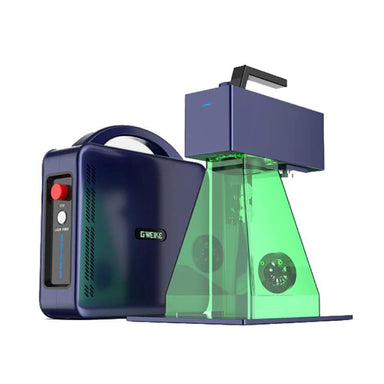
Save $1,100.00
50 Watts of Fiber Laser Power in the Most Portable Package It's Ever Come In. The Gweike G2 Max is a 50W ytterbium fiber laser engraver that delive...
View full details
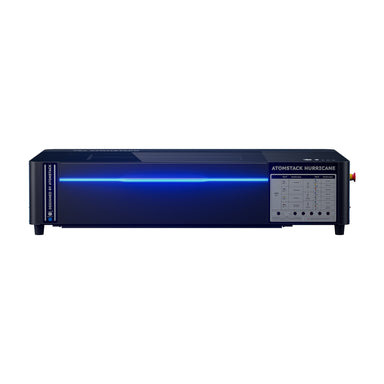
Sale
Introducing the Atomstack Hurricane 55W CO2 Laser Cutter - Your Gateway to Limitless Creativity. The Atomstack Hurricane 55W Laser Cutter redefine...
View full details
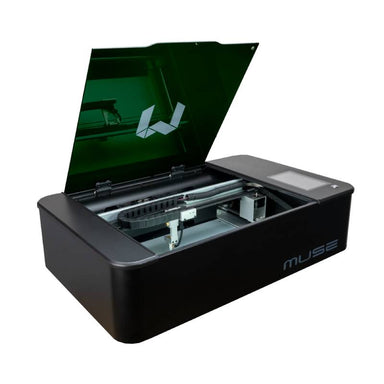
Sale
Unlock your creative power with the precision and versatility of the FSL Muse Core CO2 Laser Cutter and Engraver Looking for the perfect machine to...
View full details
Save $2,624.00
Start a Laser Engraving Business with a Complete Business-In-A-Box Setup. A portable, professional laser engraving system designed to help entrepr...
View full details
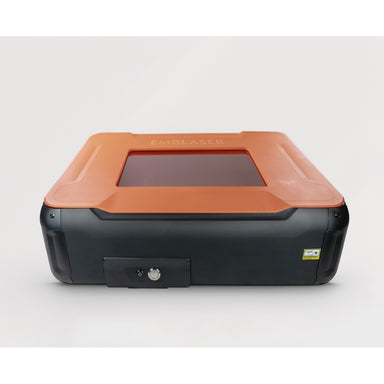
Sold out
Unleash Creative Power with the Emblaser Pro 60W Laser Cutter and Engraver. The Emblaser Pro 60W Laser Cutter and Engraver redefines creative spee...
View full details
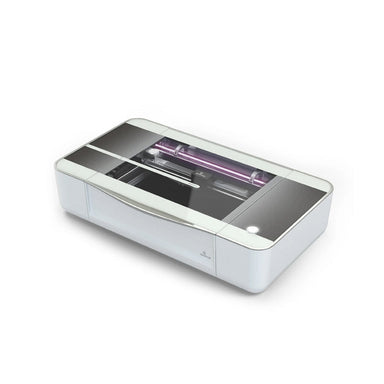
Sold out
Cut, engrave, and score with incredible precision with the Glowforge Plus. The Glowforge Plus 3D Laser Printer turns creative ideas into real, hand...
View full details
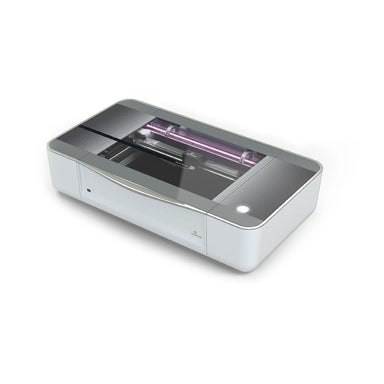
Sold out
The Glowforge Plus HD makes cutting and engraving fast, easy, and precise. With its 40W CO2 laser, the Glowforge Plus HD Laser Cutter helps you br...
View full details
Sold out
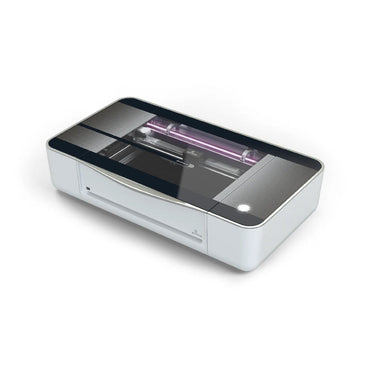
The Glowforge Pro HD makes creating easy and fun. With the Glowforge Pro HD 3D Laser Printer, you can cut, engrave, and design everything from smal...
View full detailsDiode lasers are cheaper, more compact, and handle wood, leather, and dark acrylic well, while CO2 lasers cost more but cut faster and handle thicker and clear materials that diodes struggle with. Budget diode engravers typically run in the 10W to 20W range and cost $200 to $600, while entry-level CO2 machines start closer to $1,000 to $2,000 but cut acrylic, thicker wood, and glass that a diode simply can't process efficiently. Diode lasers also need no external tube or cooling system, keeping them smaller and easier to maintain. For hobbyists working mostly with wood and leather, a diode is usually the better value; for anyone who needs clear acrylic or faster cutting, CO2 is worth the higher price.
No — diode lasers pass through clear acrylic without absorbing enough energy to cut it, so a CO2 laser is required for that material regardless of price point. This happens because clear acrylic is largely transparent to the diode laser's wavelength, so the beam passes through instead of being absorbed as heat at the surface. Some hobbyists work around this with a strip of masking tape or dark spray coating on the acrylic surface to force absorption, but results are inconsistent and it's not a substitute for a CO2 laser on production work. Colored or frosted acrylic engraves fine on a diode laser — it's specifically the clear, transparent material that's the problem.
No — diode and CO2 lasers can't mark bare metal directly; engraving metal requires either a fiber laser or a marking spray like Cermark used as an intermediary. Diode and CO2 wavelengths simply aren't absorbed well by bare metal surfaces, so the beam reflects or passes through rather than generating enough localized heat to mark it. Marking spray works around this by giving the laser a dark, absorbent coating to burn into, though results are less durable and less precise than true fiber laser marking. For anyone planning to engrave metal regularly rather than as an occasional workaround, a dedicated fiber laser is the more reliable long-term investment.
A solid beginner diode laser engraver typically runs $300 to $500, covering a true 20W-class module capable of cutting hardwood up to about 10mm in a single pass. Price at this tier is driven mainly by laser power, work area size, and whether the frame is open or enclosed — enclosed machines with built-in air filtration and safety interlocks tend to sit at the higher end of that range. Going below $300 usually means a lower-power module that struggles with anything beyond thin wood and light engraving, while spending closer to $500 buys enough power to cut consistently rather than needing multiple passes. Budgeting a bit extra for a honeycomb bed and air assist on top of the machine price is worth factoring in from the start.
Yes — budget laser engravers from established brands with active user communities and readily available replacement parts hold up well under regular hobby use, unlike lesser-known off-brand units that are more prone to failure. Common wear points across all budget machines include the diode module, drive belts, and cooling fan, and having a brand with parts and forum support available means those repairs are quick and affordable rather than a reason to replace the whole machine. A well-maintained budget diode laser can reasonably run for several years of regular hobby use, especially if the lens is kept clean and the belts checked periodically. Sticking with a recognized brand is the single biggest factor in long-term reliability at this price point.
Shipping Insurance ($89)
placeholder